
January 13 |
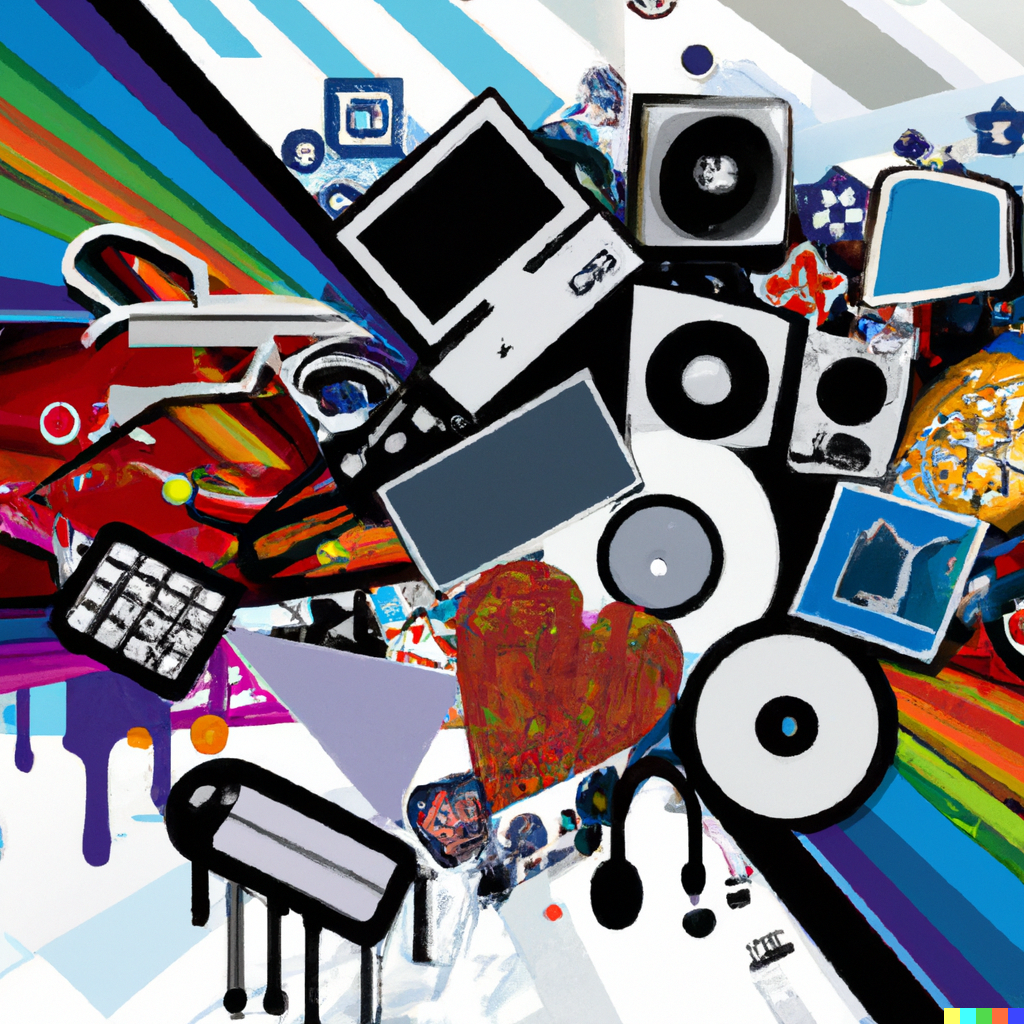
In the past decade, the relationship between art and technology has transformed from a niche intersection to one of the most dynamic and revolutionary forces in the creative world. Today, ArtTech—the fusion of artistic expression with emerging technologies—represents not just a trend, but a fundamental shift in how we create, experience, and value art.
From AI-generated paintings to immersive virtual reality exhibits, ArtTech is reshaping the cultural landscape in profound ways. This article explores what ArtTech really is, why it's booming, and how it’s changing the roles of artists, audiences, and the art market itself.
ArtTech refers to the integration of advanced technologies—such as artificial intelligence, virtual and augmented reality, blockchain, robotics, and generative computing—into artistic creation, distribution, and consumption.
While traditional art relies primarily on physical materials and human skills, ArtTech leverages digital tools and computational systems to push creative boundaries. This doesn't replace human creativity; instead, it offers new mediums, workflows, and possibilities.
AI has become one of the most talked-about elements of ArtTech. From systems like DALL·E and Midjourney to custom-trained neural networks, AI can analyze patterns, mimic artistic styles, and generate entirely new works.
Artists use AI to:
Rather than replacing artists, AI often acts as a creative partner—a tool that accelerates and amplifies human imagination.
Virtual and augmented reality have redefined what an “art space” can be.
VR Art lets audiences step inside the art. Entire worlds can be sculpted with digital brushes (like Tilt Brush or Adobe Medium), and exhibitions can occur in virtual galleries unconstrained by physical limitations.
AR Art brings digital layers into the real world, enabling interactive murals, mobile-based installations, and location-based narratives.
These technologies redefine participation: art becomes something people don’t just observe—they inhabit it.
The advent of blockchain has disrupted the art market by introducing:
While the NFT hype cycle has had ups and downs, blockchain’s underlying impact—verifiable digital ownership—continues to influence how digital art is valued and traded.
Robots are now:
This merges engineering with expression, turning machines into mediums of creativity.
In the ArtTech era, artists are increasingly becoming:
What used to take years of manual training can now be augmented with digital tools, democratizing access to sophisticated creative techniques. Artists who embrace technology are discovering entirely new modes of storytelling and expression.
Art is no longer confined to galleries and museums. Audiences now engage through:
The viewer becomes part of the artwork, influencing or completing it through interaction.
With innovation comes complexity. ArtTech raises important questions:
These discussions will shape the next decade of cultural evolution.
The future promises even deeper integration of creativity and computing:
ArtTech isn’t just a trend—it’s becoming the new normal for how art is created and consumed.
ArtTech stands at the crossroads of imagination and innovation. It challenges traditional boundaries, empowers creators with new tools, and expands artistic experiences into realms once reserved for science fiction. As technology continues to evolve, so too will the ways we define beauty, creativity, and artistic identity
SHARE THIS:
© Copyright 2026Global AI AwardsAll Rights Reserved